Applied AI · 2026
Nine AI capabilities — evaluation set and cost ceiling before model choice
Nine general AI capabilities integrated into existing systems — RAG, research agent, ASR, TTS, NL2SQL, object detection, tamper forensics, n8n orchestration, report generation — each delivered with an evaluation set, a cost ceiling and a human fallback.
The situation
Every AI project that reaches production passes the same four gates: the scene has to be defined, the data has to be prepared, the capability has to be integrated, and the result has to be evaluated. The order in which teams do those four things decides whether the project ends in a working system or in a demo that everyone is quietly tired of.
The pattern we see repeatedly: a model is chosen first because it is the visible decision, the demo looks good on three hand-picked examples, and then the scaling conversation stalls on two questions nobody can answer — how much does this cost per call, and how do we know it got worse.
This page describes the nine capabilities we integrate, and the method that is the actual deliverable.
The call we made
Evaluation set and cost ceiling before model selection. In our four-step method, model choice sits third, after scene definition and data preparation — and data preparation includes building the evaluation set with human-reviewed labels. That ordering is the single most consequential decision in this work. Model selection is the cheapest thing to change later and the most expensive thing to get wrong early, because it anchors the prompt structure, the data pipeline and the customer’s expectations. What cannot be changed later is whether you can measure the capability and what it costs.
So before a model is picked, two numbers are established: what a mistake costs in this workflow, and what one correct answer costs to produce. If the per-answer cost exceeds the labour it removes, the capability is a demo, and saying that early is cheaper for everyone than discovering it at scale.
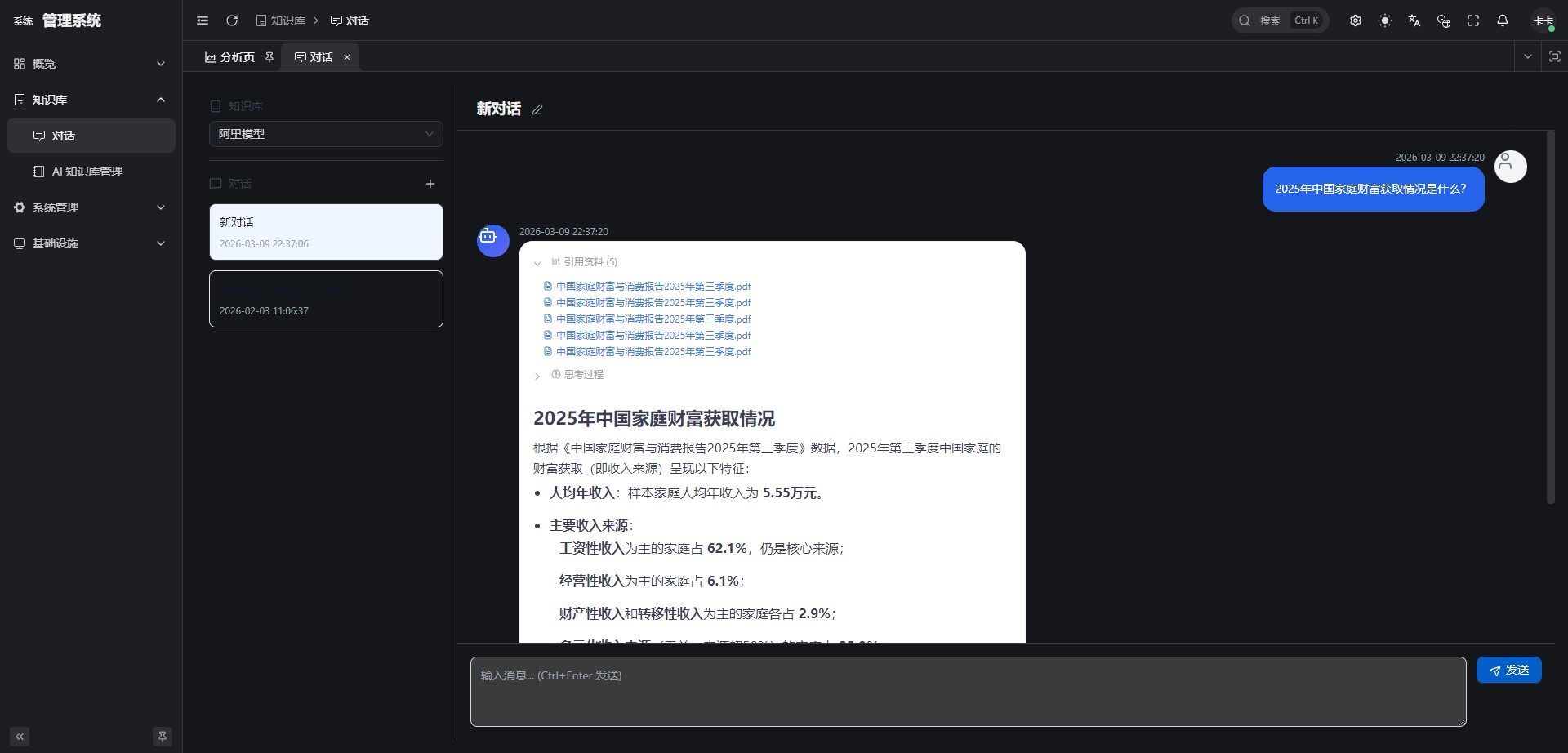
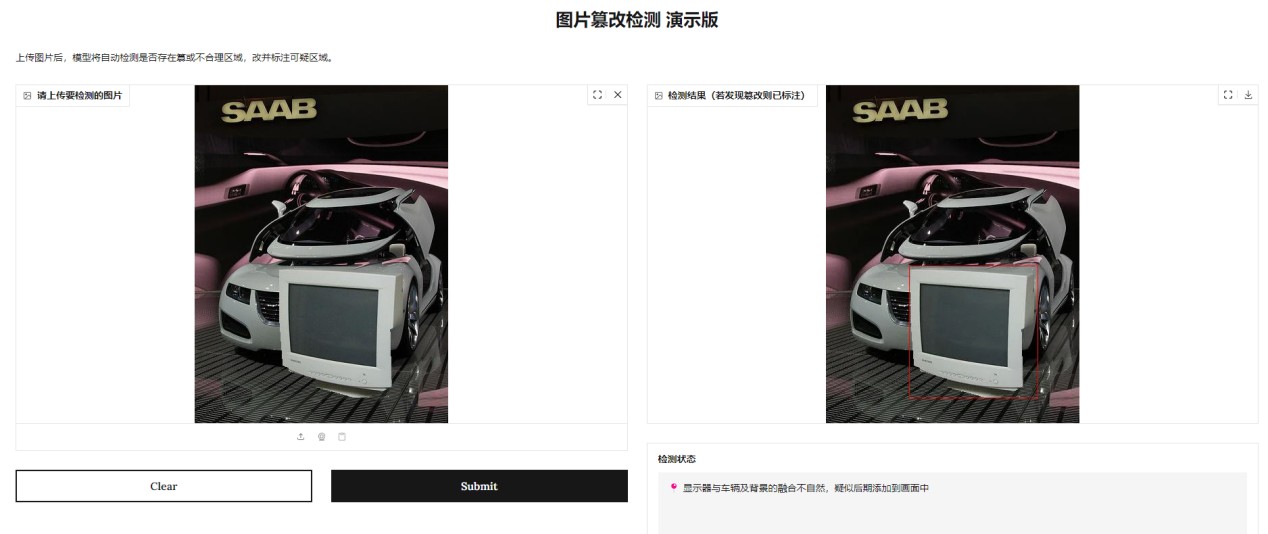
Explainability is a delivery condition, not a feature. Every capability that returns a conclusion returns its basis. RAG answers cite passages. Tamper detection returns evidence alongside the score, because a number with no reasoning cannot be defended in a review, a newsroom or a court. Generated reports draw their charts from the data source rather than describing a chart in prose. When conflicting documents exist, the conflict is surfaced rather than resolved silently.
Data boundary decides architecture. Where the data cannot leave the customer network, ASR runs locally and retrieval runs on a private deployment. This is a deployment decision made at step one, not a hosting preference negotiated at the end, because retrofitting locality onto a cloud-shaped design is a rewrite.
The human channel stays open. Three limits we hold to: no delivery without an evaluation set and a human review conclusion; no output that cannot be explained; no replacement that cannot be rolled back. AI is an accelerator on a process that continues to have people in it, and the fallback path is part of the design rather than an apology.
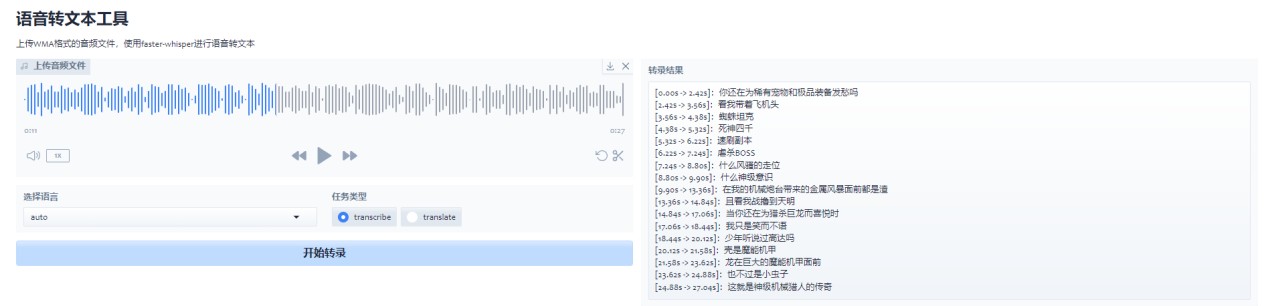
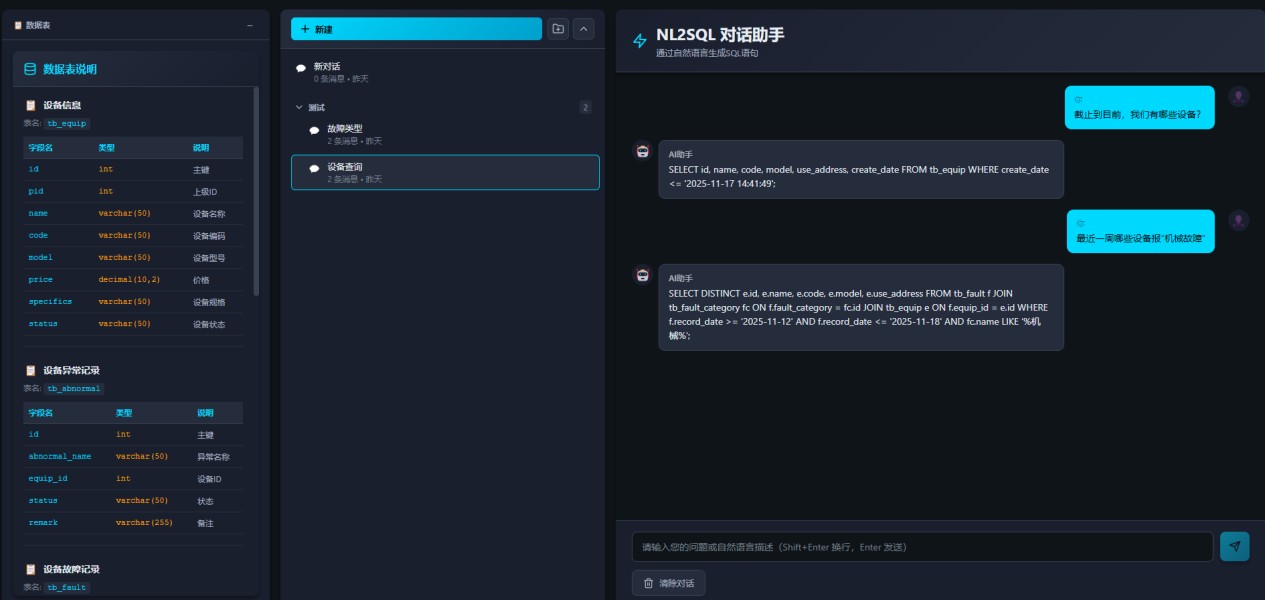
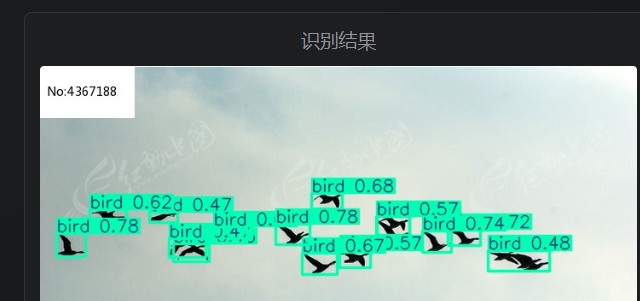
Combinations are where the value is, and each capability has a known hard part. Detection plus IoT control gives inspection linkage; RAG plus report generation gives due diligence drafts; ASR plus a research agent gives meeting records and topic research. But each one has a failure mode that has to be designed around, and we name them: scanned pages and tables for RAG, small and occluded objects for detection, dialect and proper nouns for ASR, multi-table joins and row-level permissions for NL2SQL, and process control for long-running agents. Naming the hard part is what makes an estimate an estimate.
What we built
Nine capabilities in three groups, each independently integrable:
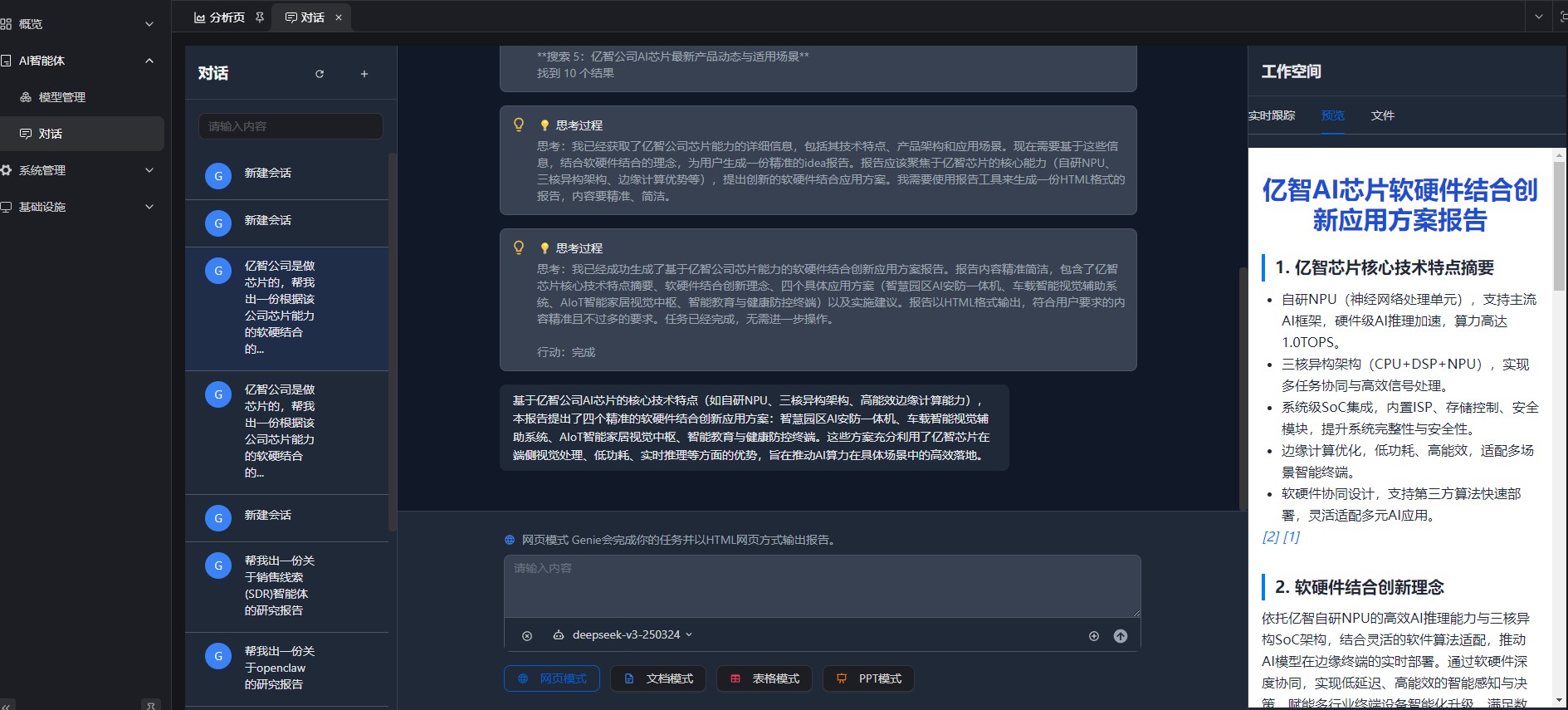
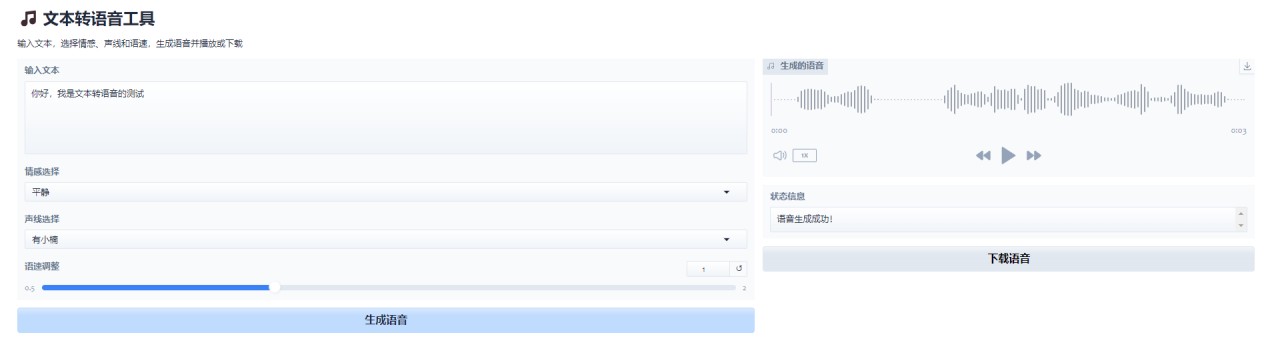
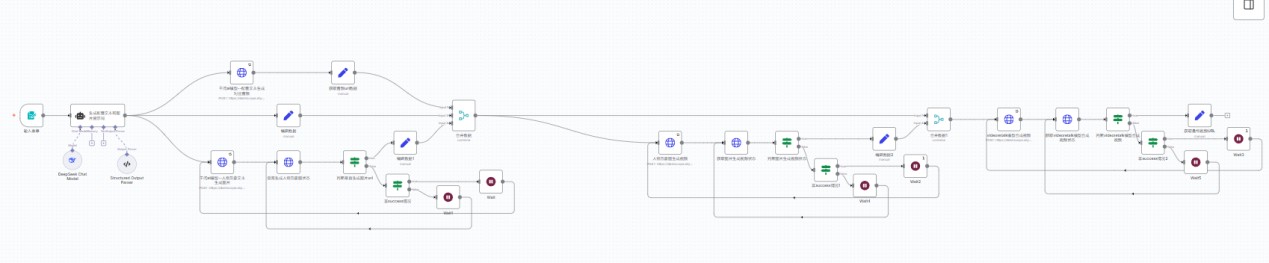
- Content generation — AI digital human sequenced through n8n (text to speech, to avatar, to video); research report generation with programmatic charts; TTS with selectable voice and tone.
- Understanding and retrieval — enterprise RAG over knowledge graph, vectors, reranking and OCR; locally deployed ASR; image tamper detection on pixel-level anomalies and metadata.
- Data and decisions — natural language to SQL with permission and row-scope control; object detection on images and live video; a research agent that decomposes tasks, gathers, and reports.
Delivery follows the four steps: scene definition with the human fallback identified, data preparation including the evaluation set, capability integration with prompt and workflow work, then offline evaluation, human review, staged rollout and monitoring.
Result
The practical result for a client is a scale-up decision made with information: the evaluation result tells you what the capability does on your documents or your cameras, and the cost line tells you what it costs per answer. Model calls and compute are quoted as a separate line from the licence, which removes the argument that usually arrives at month three.
What we do not promise: absolute accuracy, a fixed percentage on an unfamiliar dataset, or that a capability which worked on one document type will work on another. The evaluation set is the honest instrument here, and we would rather hand over its results than a claim.
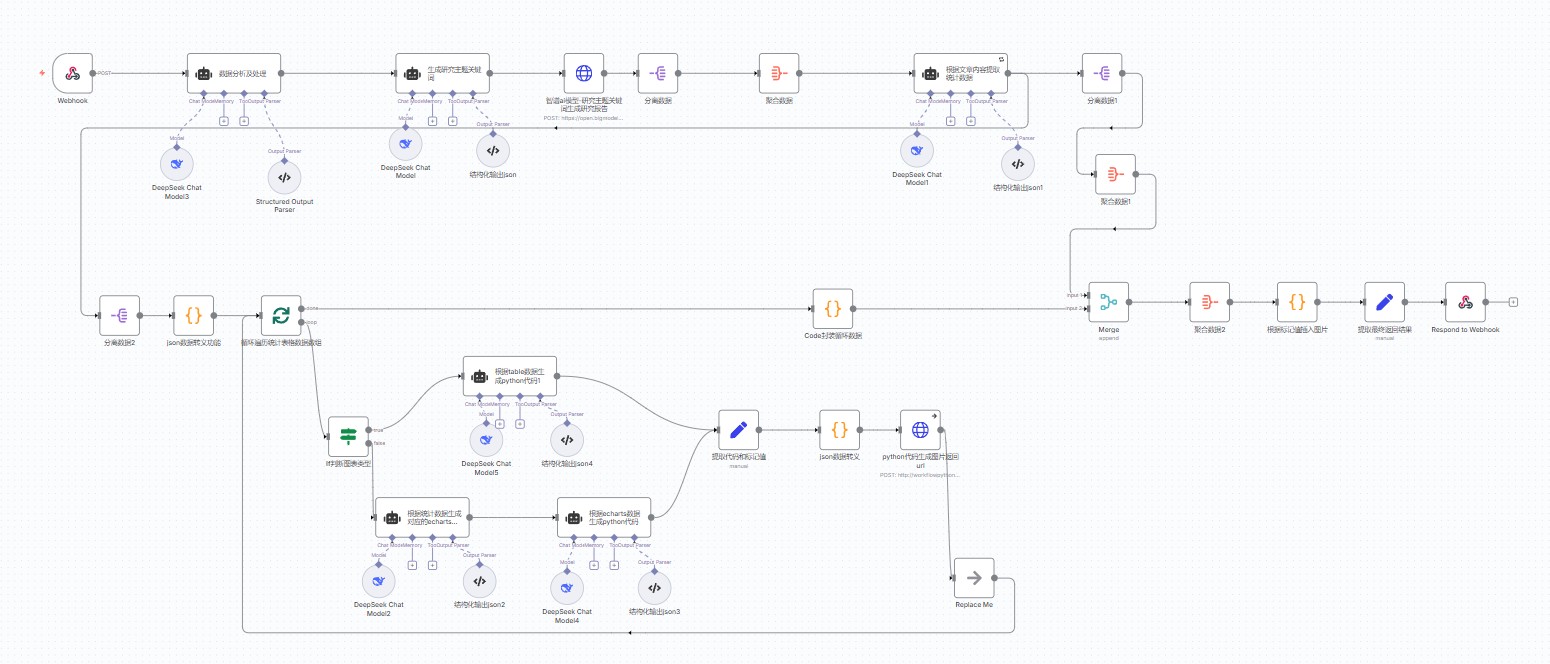
Technology
| Stack | FastAPI · React · CrewAI · LangChain · DeepSeek · Doubao · Redis |
|---|---|
| Delivery model | Capability integration, private deployment available |
| Client | Delivered into client systems across several industries |
| Status | Delivered |
What we cannot show
Capabilities are integration work, not a model of our own. Interfaces are shown with generic examples; no client documents or client data appear in the screens.
Similar problem?
If this looks like something you are dealing with — a legacy system that must keep running, a workflow no product covers, an integration nobody wants to touch — send a short description. We will tell you honestly whether we are the right team, and what the first two weeks would look like.